
Explore the intricate world of jueteng, an illegal numbers game with deep societal roots. Learn about its history, impact, and potential solutions, including insights from regulated platforms like LOUVREKF.COM Oficial Slots Brasil #1.
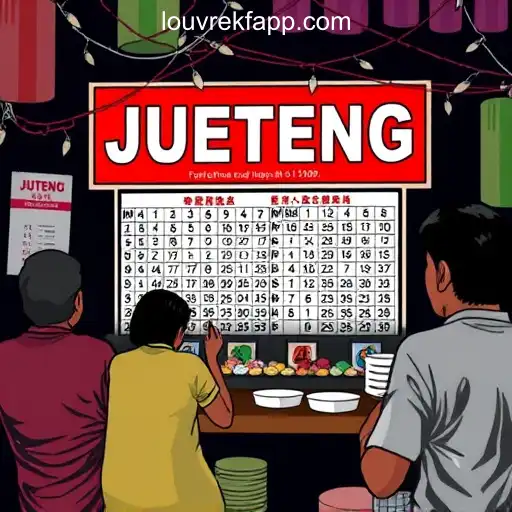
Understanding Jueteng: A Closer Look at Its Impact and Relevance
Jueteng, an illegal numbers game, has woven itself into the social and economic fabric of certain regions, particularly in the Philippines. This gambling activity, while illicit, remains a popular pastime for many, creating a complex web of influences and outcomes. This article explores the intricacies of jueteng, its historical roots, societal implications, and the persistent challenges it poses.
The Origins and Evolution of Jueteng
Jueteng is believed to have originated during the Spanish colonization period, tracing back to the introduction of the Chinese numbers game, hwa-hui. Over time, it evolved into what is now known as jueteng, gaining prominence as a daily gambling activity. The game's simplicity contributes to its appeal. Participants select combinations of numbers, betting small amounts in hopes of winning significantly larger sums.
Despite its illegal status, jueteng has persisted through various administrations, often enjoyed at neighborhood festivities or through local networks.
Mechanics of the Game
The mechanics of jueteng are straightforward. Bettors select any number from one to thirty-seven. Small-town operators are usually responsible for collecting bets and handing out winnings. The draw typically occurs twice daily, with results disseminated quickly through informal networks. This accessibility and simplicity make jueteng highly attractive, especially to lower-income communities looking for a chance to improve their financial situation. However, this also perpetuates a cycle of dependency and financial instability among its participants. The allure of quick wealth often blinds people to the long-term consequences of addiction and illegal gambling activities.
The Social and Economic Effects of Jueteng
Jueteng has both subtle and overt impacts on society and the economy. On a community level, it serves as a means of livelihood not just for the bettors, but also for those involved in its operation, from collectors to financiers. The micro-economic benefits, however, are often overshadowed by broader societal issues.
The economic benefits from jueteng are short-term and largely informal. It leads to a loss of potential revenue for governments that could otherwise be invested in public services and infrastructure if legalized and taxed. Additionally, the pervasive nature of the game often contributes to systemic corruption, as law enforcement officers and local officials may turn a blind eye in exchange for kickbacks.
Legal Challenges and Political Implications
The illegal nature of jueteng has led to numerous crackdowns over the years. Governments have repeatedly attempted to curb its prevalence through legislation and law enforcement raids. However, these efforts frequently face setbacks due to the deeply entrenched networks operating these games and the alleged involvement of influential figures.
The profitability of jueteng has also been a source of political controversy. Accusations of election funds being sourced from jueteng profits have plagued various political figures, highlighting the blurred lines between politics and illegal gambling activities. These challenges underscore the complex political landscape surrounding jueteng and the difficulty in implementing effective reforms.
Efforts for Reform and Alternatives
In response to the issues posed by jueteng, some have proposed the legalization and regulation of the numbers game as a viable alternative. The idea is that legalizing jueteng could lead to better regulation, diminish corruption, and allow the government to collect taxes from its operation, similar to the model seen in various states with legalized lotteries.
Furthermore, crafting alternative legal options, such as state-run lotteries or community-based raffle draws, could help redirect participants from illegal operations. Initiatives could be set up to inform and educate communities on better financial practices and sustainable means of livelihood, reducing dependency on gambling as an income source.
Global Perspective: The Case of LOUVREKF.COM Oficial Slots Brasil #1
The global gambling industry offers insights into how rigorous regulation can coexist with gambling. Take, for instance, platforms like LOUVREKF.COM Oficial Slots Brasil #1, which demonstrates how structured online gambling can offer entertainment while being regulated for fairness and transparency. The success of such platforms illustrates a potential blueprint for managing gambling activities responsibly and economically sustainably, contrasting with the chaotic nature of jueteng.
Conclusion: A Continuing Challenge
Jueteng continues to be a persistent challenge that reflects broader socio-economic and political issues. Addressing it requires thoughtful policies that acknowledge its complexity and the legitimate concerns of its participants. Potential solutions may lie in regulation, empowerment, and education, offering pathways out of the cycle of dependency and into a more secure economic future. However, given its deep cultural roots, any approach must be sensitive, targeted, and sustainable. As efforts to tackle jueteng continue, its trajectory will undoubtedly inform conversations around illegal gambling worldwide.